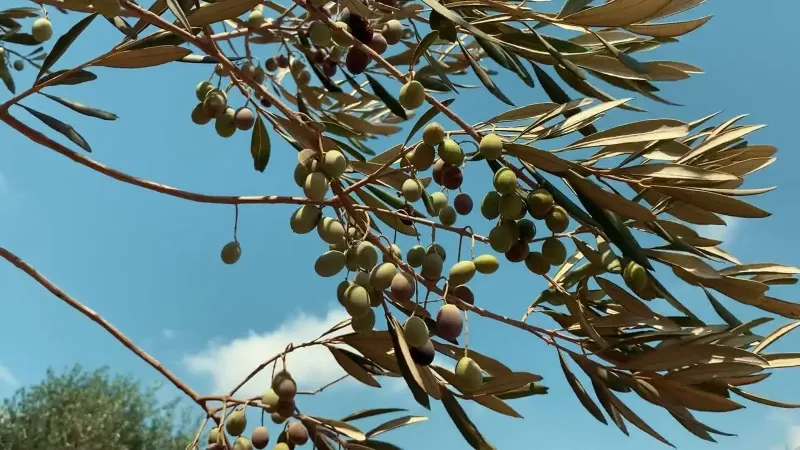
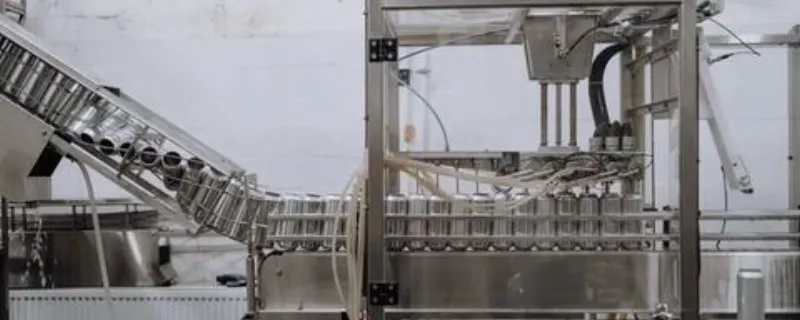
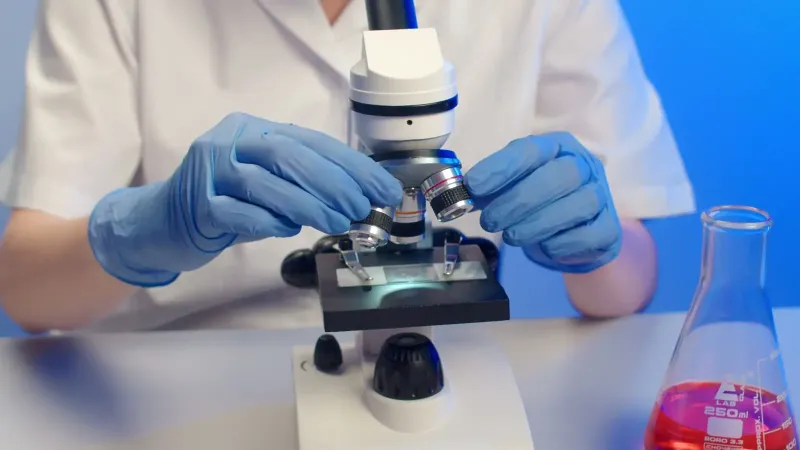
Mixed volume
Product that enters the tank cannot be separated again; the call has to be made at the gate.

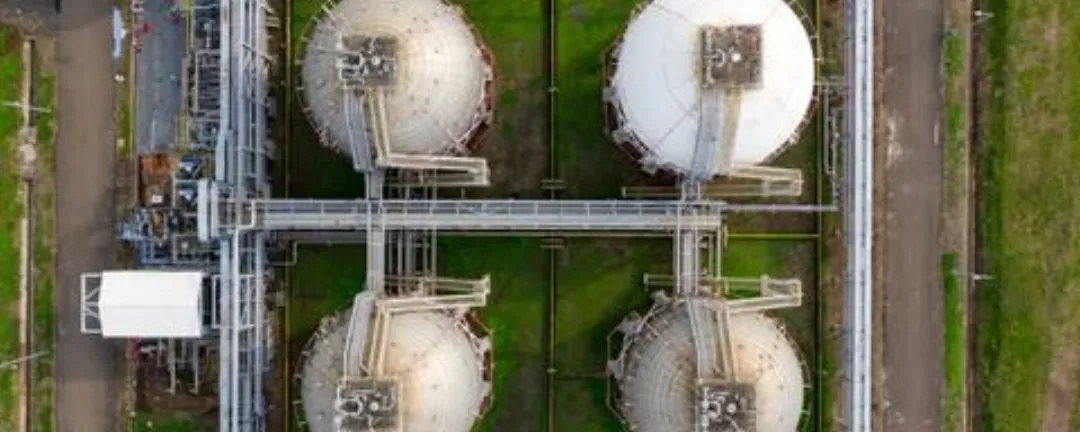
We support cooperatives and collection points that gather oil from growers, so that every incoming batch can be sorted before it enters the tank.
Implementation
Olivex lets you decide at the gate, while the oil is still separate: reading at the gate, paying by grade and a season-long view of suppliers.
Product from dozens of growers meets in the same tank; what is in that tank is the sum of the decisions made at the gate. What judges an incoming batch is mostly the eye and experience. A single bad batch pulls the whole tank down, what you pay a grower and what they delivered do not always line up, and who brought what across the season is not visible in one place.
Reading at the gate: You read the incoming batch before it is unloaded and decide there whether it goes into the tank.
Paying by grade: You tie what you pay a grower to the grade they delivered; the measurement gives both sides the same ground.
A season-long view of suppliers: What came from whom builds up side by side through the season, so you enter the next one prepared.
Request a meeting
Data
Notifications on "fats and oils" to the EU Agri-Food Fraud Network in 2020; the group, mostly olive oil, was the most notified product category
Source: European Commission, The EU Agri-Food Fraud Network and the Administrative Assistance and Cooperation System: 2020 Annual Report, 2021Maximum free acidity (as oleic acid) per 100 g permitted for extra virgin olive oil
Source: Turkish Food Codex Communiqué on Olive Oil and Pomace Oil (No. 2017/26), Official Gazette 30183, 2017Maximum free acidity (as oleic acid) per 100 g permitted for virgin olive oil
Source: Turkish Food Codex Communiqué on Olive Oil and Pomace Oil (No. 2017/26), Official Gazette 30183, 2017Risks
Product that enters the tank cannot be separated again; the call has to be made at the gate.
When the reason for a price difference cannot be shown, the relationship strains again every season.
During harvest, every minute spent at the gate turns into a queue.
Regulation
Sets the product characteristics for the production, processing, labelling, storage, transport and marketing of olive oils and pomace oils. Grades such as extra virgin and virgin are defined by measurable quality and purity criteria, free acidity first among them.
Defines the categories of olive oil in the EU, the quality and purity characteristics of each category such as acidity and peroxide value, and the labelling rules. The category on the label of olive oil sent to the EU market must match these characteristics.
This section is for information only; official sources prevail for current obligations.
FAQ
Yes. Every reading is recorded with its batch, place and time and can be shared as a report. The measurement gives both sides the same ground in the price conversation.
No. The steps are laid out in order in the booklet in the box and in the app, and the reading is made with the camera of the phone in your hand. Anyone on your team can read from the first day.
Meeting request
The first meeting reviews your product, sales channels and the risks you face, and recommends a suitable method.
Request a meeting